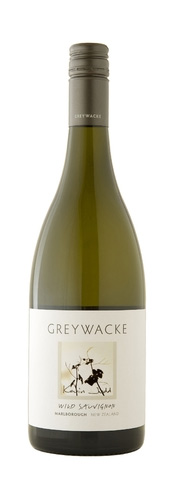
"The nose is defined by aromas of rock melon, ginger, lime zest and toasted coconut. Lemon curd and tangelo flavours provide a juicy foundation to the expansive, full-flavoured palate. Lush and textural in style, the generous fruit is balanced by vibrant acidity and chalky oyster shell notes."
Greywacke is the exciting solo venture of Kevin Judd, who was formerly the chief winemaker at Cloudy Bay for 25 vintages, and was instrumental in the international recognition which New Zealand Sauvignon Blanc enjoys today. The name ‘Greywacke’ was adopted by Kevin for his first Marlborough vineyard located in Rapaura in recognition of the high prevalence of rounded greywacke river stones in the soils there.
The debut wine under the Greywacke label was the 2009 vintage with his Marlborough Sauvignon Blanc displaying the hallmarks of Kevin’s famed style: ripe fruit, fine balance, great concentration and superb varietal intensity. Grapes come from prime, low yielding vineyard sites in and around Marlborough’s Southern (Brancott and Ben Morven) Valleys, and are vinified using ‘non-interventionist’ techniques. His range also includes a Wild Sauvignon Blanc, Pinot Noir, and Chardonnay.
The winter preceding the 2023 vintage was notably wet, with 220mm of rain in July breaking all records, filling aquifers and providing an excellent resource for the season ahead. Spring conditions were challenging, with warm sunny days, very cold nights and several frosts, including a polar blast in early October. Remarkably all source vineyards emerged unscathed and subsequently an excellent flowering period resulted in healthy crop levels. Early summer was warm but became changeable with intermittent wet spells. Obligingly, the rain dried up by late February and a very settled autumn ensued, providing all varieties with an extended ripening season.
Some vineyards were machine harvested during cool night-time conditions, and others by hand during the day. The grapes were lightly pressed and the juice cold-settled prior to racking into French oak barriques, a small percentage of which were new. The juice underwent spontaneous indigenous yeast fermentation with occasional lees stirring. Approximately two-thirds underwent malolactic fermentation. It was transferred out of oak prior to the following harvest and left on lees for a further six months. Bottling
took place in September 2024.
